Women's Health
Specialist assessment and personalised treatment for women with bladder, urethral and urinary symptoms.
Female urology focuses on conditions affecting the bladder, urethra and pelvic floor. Symptoms such as recurrent urinary infections, urgency, leakage, pain, difficulty passing urine or changes in urinary flow can be distressing, disruptive and sometimes embarrassing to discuss. At Urology Partners, we provide discreet, expert care with a thorough assessment, clear explanations and treatment plans tailored to each patient’s needs.
Conditions we assess and treat
Recurrent UTIs
Recurrent urinary tract infections can cause burning, frequency, urgency, lower abdominal discomfort and a significant impact on daily life. We look for possible triggers and contributing factors, including bladder emptying problems, hormonal changes, stones or anatomical causes, and advise on prevention strategies as well as treatment when infection occurs.
Overactive bladder
Overactive bladder commonly causes sudden urgency, frequent trips to the toilet, night-time urination and sometimes leakage before reaching the bathroom. Assessment may include a symptom review, urine tests, bladder diary and further investigations where needed. Treatment can include lifestyle advice, bladder training, pelvic floor physiotherapy, medication and specialist procedures for more persistent symptoms.

Stress urinary incontinence
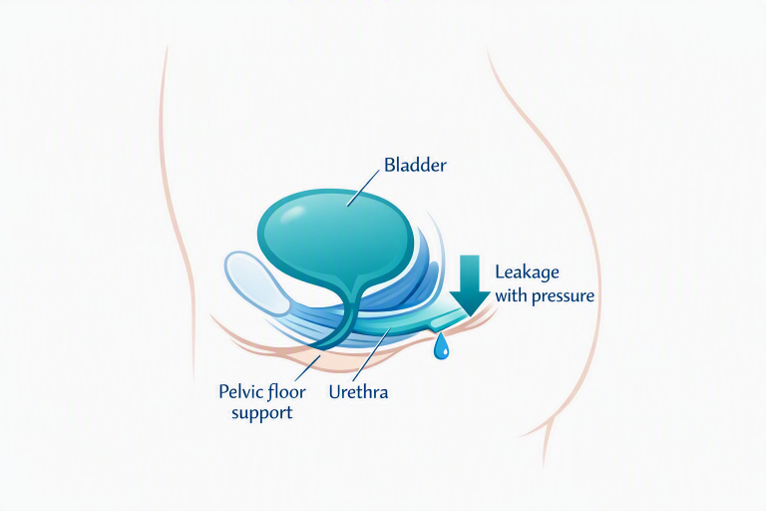
Stress urinary incontinence is leakage that happens with coughing, sneezing, laughing, exercise or lifting. It is often related to pelvic floor weakness or changes after pregnancy, childbirth, menopause or pelvic surgery. We offer careful assessment and discuss non-surgical and surgical options where appropriate, helping patients choose the approach that best suits their symptoms and lifestyle.
Urethral diverticulum and urethral cysts
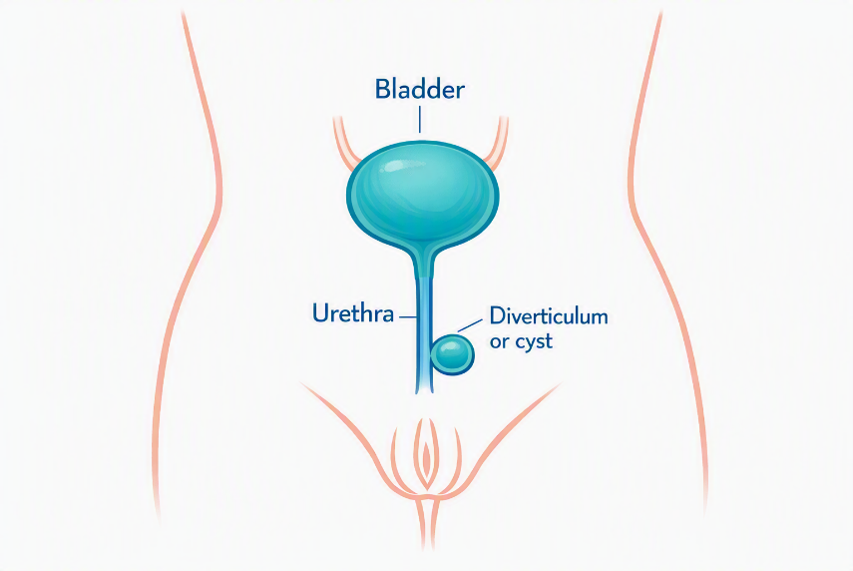
A urethral diverticulum is a small pouch that forms alongside the urethra, while urethral cysts are fluid-filled swellings that may occur near the urethral opening or along the urethra. These conditions can cause recurrent infections, pain, dribbling after passing urine, discomfort during intercourse or a lump. Diagnosis may involve examination, imaging and specialist tests, with treatment tailored to the type and severity of symptoms.
Urethral caruncle
A urethral caruncle is a small, usually benign growth at the urethral opening. It may cause soreness, bleeding, discomfort when passing urine or irritation, although some are found incidentally. We assess the area carefully, exclude other causes where necessary and offer treatment options ranging from topical therapy to removal if symptoms persist or the diagnosis is uncertain.
Voiding dysfunction
Voiding dysfunction describes problems with emptying the bladder, such as hesitancy, weak flow, stopping and starting, straining, incomplete emptying or needing to pass urine again soon after going. Causes can include pelvic floor overactivity, bladder muscle problems, obstruction, previous surgery or neurological factors. A detailed assessment helps identify the pattern and guide treatment.
Urodynamics
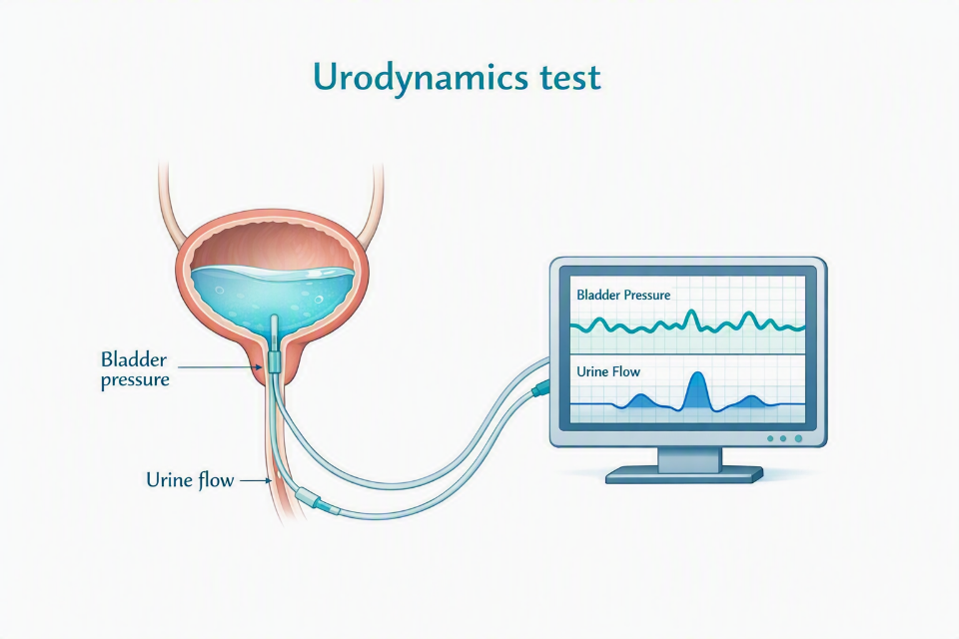
Urodynamic testing is used to understand how the bladder stores and empties urine. It can be particularly helpful when symptoms are complex, before certain treatments, or when previous treatments have not worked as expected. The test provides information about bladder pressure, capacity, leakage and emptying, helping your consultant recommend the most appropriate next steps.
What to expect at your appointment
Your consultation will usually include a detailed discussion of your symptoms, medical history, previous treatments and goals. You may be asked to provide a urine sample, complete a bladder diary or undergo simple bladder emptying tests. If further investigations are recommended, your consultant will explain why they are needed and what they involve.
Our approach
We understand that urinary symptoms can affect confidence, sleep, work, exercise and relationships. Our aim is to provide sensitive, evidence-based care in a calm and supportive environment. We will work with you to identify the cause of your symptoms and agree a treatment plan that feels right for you.
Frequently asked questions
When should I see a urologist for recurrent UTIs?
You should consider specialist assessment if you have repeated infections, persistent symptoms despite treatment, blood in the urine, pain, infections related to intercourse, or concerns about bladder emptying. A urologist can look for underlying causes and recommend prevention strategies tailored to you.
What is the difference between overactive bladder and stress incontinence?
Overactive bladder is usually linked to urgency, frequency and sometimes leakage before reaching the toilet. Stress urinary incontinence is leakage with pressure on the bladder, such as coughing, sneezing, laughing, running or lifting. Some women experience both, and treatment depends on the pattern of symptoms.
Will I need urodynamic testing?
Not everyone needs urodynamics. Your consultant may recommend it if your symptoms are complex, if the diagnosis is unclear, if previous treatments have not helped, or before certain procedures. The aim is to understand how your bladder stores and empties urine so treatment can be planned more accurately.
Are urethral diverticulum and urethral cysts serious?
Many urethral cysts and diverticula are benign, but they can cause troublesome symptoms such as recurrent infections, pain, dribbling, swelling or discomfort. Specialist assessment helps confirm the diagnosis, rule out other causes and decide whether monitoring, medication or a procedure is most appropriate.
Does a urethral caruncle always need treatment?
No. If a urethral caruncle is not causing symptoms and the diagnosis is clear, it may simply be monitored. If it causes bleeding, soreness, irritation or uncertainty about the diagnosis, your consultant may recommend topical treatment, further assessment or removal.
What should I bring to my appointment?
It is helpful to bring a list of your symptoms, current medication, previous urine test results, details of past treatments and any relevant scan or hospital letters. A bladder diary may also be useful if you have urgency, frequency, leakage or night-time symptoms.
Book a consultation with Kiki Mistry at Urology Partners to discuss female urology symptoms and explore the most appropriate assessment and treatment options for you.